

As national park visitation surges around the world, some iconic sites are implementing strict visitor limits to preserve their landscapes and reduce overcrowding. Others, however, remain under the radar—offering breathtaking experiences without the crowds. Here's a look at 10 parks now capping visitors in 2025 and 10 that still have wide-open trails and views without restrictions.
1. Arches National Park, USA – Capping Visitors

Arches in Utah now requires timed entry permits during peak season, a system introduced to manage severe congestion. Parking lots fill by sunrise, and spontaneous visits are almost impossible in the summer. The park's compact layout means that crowding impacts nearly every viewpoint. Rangers report trail erosion and wildlife disturbance due to high traffic. While still worth visiting, it now takes advanced planning to enjoy it.
2. Mount Fuji (Fuji-Hakone-Izu National Park), Japan – Capping Visitors

In 2025, Japan introduced strict daily climber caps on Mount Fuji’s most popular trails. Advanced reservations and fees are required to protect the fragile alpine environment. Authorities are targeting over-tourism and improper hiking habits that endanger both climbers and ecosystems. New regulations also include night-hiking bans and stricter safety checks. Access remains possible—but less flexible than before.
3. Banff National Park, Canada – Capping Visitors

Banff, Canada’s most visited park, now limits daily access to Lake Louise and Moraine Lake via reservation-only shuttle systems. Personal vehicles are restricted in key areas to reduce traffic and protect the landscape. Popular trails also face seasonal caps, and the park has launched an educational campaign on “leaving no trace.” While Banff’s beauty is undiminished, spontaneity is a thing of the past. Booking early is essential.
4. Torres del Paine National Park, Chile – Capping Visitors

Patagonia’s crown jewel is now placing quotas on popular trekking circuits like the W and O routes. To minimize environmental damage, Chile requires pre-booked campsites and limits daily trail usage. Fines are enforced for unauthorized camping or deviation from designated paths. Rangers monitor the park closely, especially during the busy summer season. It’s still an epic experience—but one that demands advance preparation.
5. Yosemite National Park, USA – Capping Visitors

After years of testing reservation systems, Yosemite now requires entry permits during peak weekends and holidays. The move is designed to combat record-breaking summer traffic and trail degradation. Iconic spots like Yosemite Falls and Half Dome are particularly impacted, with limited access or long waiting periods. Even campsites are snapped up months in advance. The park is as photogenic as ever—but tightly regulated in 2025.
6. Plitvice Lakes National Park, Croatia – Capping Visitors

Plitvice Lakes has capped daily visitor numbers due to strain on its boardwalk system and fragile waterfalls. Online tickets must be purchased ahead of time, with strict time slots and no re-entry. Officials are trying to preserve the park’s UNESCO status amid growing European tourism. Popular photo points now have controlled queues. Spontaneous visits are virtually impossible.
7. Komodo National Park, Indonesia – Capping Visitors

Home to the famed Komodo dragons, this Indonesian park has introduced a new permit system that limits daily visitors. Authorities aim to balance ecological conservation with tourism by raising entry fees and restricting boat landings. Cruise ship access has been reduced, and guides are now mandatory for most routes. Conservation remains the top priority in 2025. Only a select number of tourists will experience it each day.
8. Zion National Park, USA – Capping Visitors

Zion’s narrow canyons and shuttle-only access have made it one of the most heavily regulated parks in the U.S. New limits in 2025 now apply to popular hikes like Angel’s Landing, which requires a permit obtained through a lottery. Visitor caps help manage trail safety and ecosystem protection in high-density areas. Traffic restrictions and campground shortages have also become common. It’s still accessible—but tightly controlled.
9. Cinque Terre National Park, Italy – Capping Visitors

The trails between the five seaside towns of Cinque Terre now operate on a ticketing system with hiker quotas during spring and summer. Overuse of the cliffside paths and crowding in small villages led to safety concerns and trail degradation. The Italian government implemented daily limits to protect residents and the landscape. Trains and ferries still operate, but trail access may be restricted without a reservation. The scenery remains iconic, but less available to casual hikers.
10. Sagarmatha National Park (Everest Region), Nepal – Capping Visitors

The gateway to Mount Everest now requires mandatory permits and waste deposits, and Nepal is considering limits on daily trekking numbers. Record-setting crowds have caused environmental damage and safety hazards at high altitudes. Park officials are also cracking down on unlicensed guides and unauthorized routes. Even the Everest Base Camp trek may soon be regulated with tighter capacity. Adventure here is still possible—but with more bureaucracy than ever before.
11. Lassen Volcanic National Park, USA – Room to Roam

Often overlooked for California’s more famous parks, Lassen remains uncrowded and wild. Its geothermal features rival Yellowstone, and its volcanic peaks offer dramatic scenery without the foot traffic. There are no timed-entry systems or visitor caps as of 2025. Backcountry hiking, alpine lakes, and bubbling mud pots can still be experienced at your own pace. It’s one of the West’s best-kept secrets.
12. Sarek National Park, Sweden – Room to Roam

Known as Europe’s last true wilderness, Sarek sees few visitors despite its immense beauty. There are no roads, services, or marked trails—making it a magnet for experienced hikers seeking solitude. Sweden’s “freedom to roam” law allows unrestricted access, and the park has no entry quotas. In 2025, it remains wild, quiet, and vast. If you’re seeking nature without regulation, this is it.
13. Wrangell-St. Elias National Park, USA – Room to Roam

America’s largest national park by area sees fewer visitors in a year than Yellowstone does in a week. Located in remote Alaska, Wrangell-St. Elias offers glaciers, peaks, and vast silence. There are no visitor limits or reservation systems, and infrastructure is minimal. Adventurous travelers can explore by plane, ATV, or foot without bumping elbows. It’s a rare frontier park that still feels untouched.
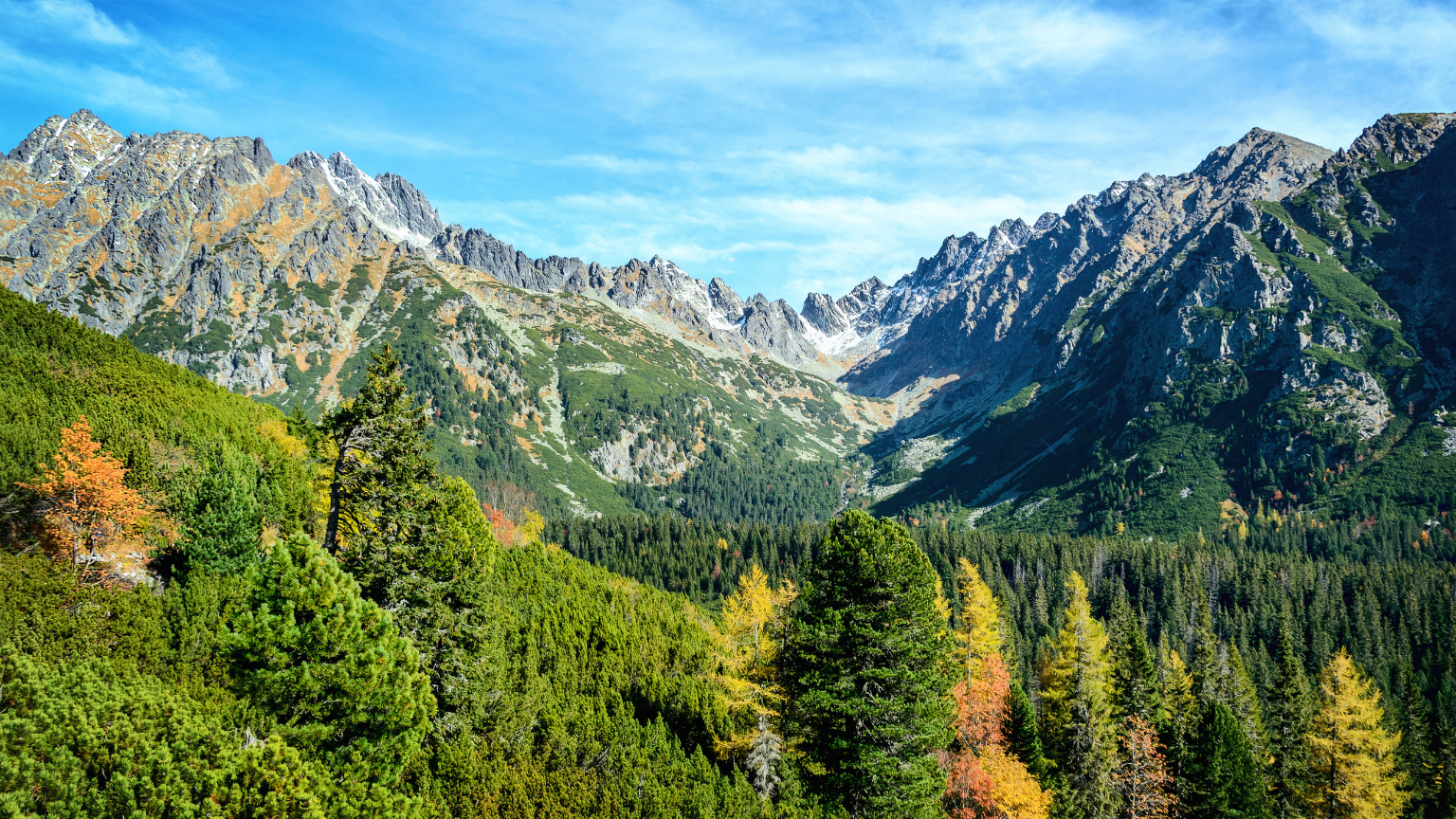
14. Tatra National Park, Slovakia – Room to Roam

While better known to European hikers, Tatra remains lightly visited by global tourists. Its alpine peaks, lakes, and wildlife provide world-class scenery with few restrictions. The park encourages tourism with affordable lodges and well-maintained trails, without daily caps. Even in summer, trail congestion is minimal. It’s an underrated escape for hikers and nature lovers alike.
15. The Grampians National Park, Australia – Room to Roam

Located in Victoria, the Grampians combine sandstone ranges with waterfalls and Aboriginal rock art—without the crowds of the Blue Mountains. Park access is free, and there are no visitor caps or reservation systems. Despite growing interest, it remains an open and flexible destination. Hikers can enjoy panoramic lookouts and serene trails almost year-round. It’s a laid-back, uncrowded alternative to Australia’s headline parks.
16. North Cascades National Park, USA – Room to Roam

Despite its stunning alpine scenery and proximity to Seattle, North Cascades remains one of the least-visited national parks in the U.S. There are no reservations required, and parking lots rarely fill. Backcountry routes are vast and lightly trafficked, even in summer. For those willing to hike a bit farther, solitude is easy to find. It’s a perfect escape for those who crave quiet and elevation.
17. Aoraki/Mount Cook National Park, New Zealand – Room to Roam

Though popular, Mount Cook hasn’t introduced any visitor limits and remains remarkably accessible. Wide-open valleys and glacier-fed lakes give visitors ample room to explore. Day hikes, climbing routes, and scenic drives are all free of quotas or time slots. Even during peak seasons, trail congestion is minimal compared to nearby Queenstown or Milford Sound. It’s a breathtaking park that still feels open.
18. Vatnajökull National Park, Iceland – Room to Roam

Despite Iceland’s rising popularity, Vatnajökull remains spacious and easy to navigate. As Europe’s largest national park, it offers glaciers, volcanic zones, and vast ice caves with relatively low density. Some guided tours require booking, but general entry remains unrestricted. There’s room to roam in every direction—whether hiking, driving, or camping. In 2025, it’s one of Iceland’s most immersive yet manageable wilderness areas.
19. Te Urewera, New Zealand – Room to Roam

Formerly a national park and now under Māori guardianship, Te Urewera has opened itself to respectful travelers with minimal restrictions. With lush rainforest, remote lakes, and deep cultural history, the area offers unique access to wild spaces. Permits for backcountry huts are inexpensive and widely available. Crowds are virtually nonexistent, and the park actively promotes immersive, low-impact tourism. It’s a lesser-known paradise for explorers.
20. Cairngorms National Park, Scotland – Room to Roam

Britain’s largest national park by area is refreshingly open in 2025. With sprawling moorlands, pine forests, and ancient mountain ranges, Cairngorms remains crowd-free even in summer. No entry limits or permits are required, and access is free. Scotland’s right-to-roam policy allows unparalleled freedom for hikers, bikers, and campers. It’s a wild, scenic corner of the U.K. still waiting to be widely discovered.
This article was written by a human and edited with AI Assistance