

Travel is booming again, and many of the world’s most famous places are bracing for another record breaking year in 2026. That is exciting if you love planning trips, but it also means some destinations are under enormous strain. Conflict, climate disasters, overtourism, and fragile ecosystems are all part of the picture. Travel experts, conservation groups, and local communities are increasingly saying the same thing about a handful of spots. Not “never come” but “not right now.”
If you want your trips to be both memorable and responsible, it is worth listening to those voices. These ten destinations are places where experts suggest hitting pause in 2026, either for your own safety or to give the local community and environment a chance to breathe.
Active War Zones Such As Gaza And Frontline Areas Of Ukraine

This one may sound obvious, but it is still worth saying clearly. Destinations that sit in active war zones are not places for leisure travel, no matter how curious or intrepid you are. In recent years, areas such as the Gaza Strip and towns near the front lines in eastern and southern Ukraine have seen intense fighting, air strikes, and serious damage to basic infrastructure. International advisories consistently classify these regions at the highest risk level, warning about shelling, kidnappings, and limited access to medical care. Even if you see images of people trying to live normal lives, that does not mean conditions are safe for visitors or that tourism money will reach the people who need it most. Travel experts strongly encourage would be visitors to support reputable aid organisations from home instead of attempting to go in person. When these regions are truly ready to welcome tourists again, local voices and official channels will say so loudly.
Port Au Prince, Haiti

Haiti has beautiful beaches, mountains, and a rich culture, but its capital has been through an extremely rough period. Port au Prince has struggled with widespread gang violence, kidnappings, and political instability, which together led to a near collapse of normal daily life in some neighbourhoods. International advisories now warn that the government cannot always guarantee basic security or emergency services in many parts of the city. Airlines have cut or reduced flights, and some outside organisations have pulled back their staff because they cannot keep them safe. Travel experts emphasise that this is not the time for casual visitors to test their luck, even if they find a cheap fare or a package deal. If you want to support Haitians, consider donating to grassroots groups or buying products from Haitian creators instead of physically going in 2026. A future visit will be much more meaningful when stability returns and locals can actually benefit from tourism.
Khartoum And Conflict Regions Of Sudan

Sudan has incredible cultural heritage and dramatic landscapes, but right now much of the country is in crisis. Fighting between rival armed groups has devastated the capital, Khartoum, and spread into other areas, leading to civilian casualties, displacement, and serious shortages of food and medicine. Roads and airports are not reliably safe, communication networks are patchy, and foreign governments have organised emergency evacuations in recent years. That is the opposite of a setting where independent travellers should be wandering around with cameras and backpacks. Even escorted trips are almost impossible to operate because conditions change fast and local partners are focused on survival. Experts in responsible tourism say the most ethical choice for 2026 is to stay away, follow developments from trusted news sources, and support humanitarian efforts if you can. Sudan’s ancient sites and communities deserve visitors when the country is stable enough to welcome them properly.
Central Lahaina, Maui, Hawaii

Maui is very much open to visitors, but central Lahaina is a different story. After the devastating wildfire in 2023, the historic heart of Lahaina was left in ruins, and cleanup, rebuilding, and emotional recovery are still ongoing. Local leaders and residents have been clear that while they rely on tourism across the island, the burn zone itself is not an attraction and should not be treated like one. Roads and access points around central Lahaina may be restricted, and many families are still dealing with loss and displacement. Travel experts recommend choosing accommodations and activities in other parts of Maui or on neighbouring islands that are fully ready for guests. When you visit, spend money with locally owned businesses and follow all posted guidance about where you can and cannot go. Respecting those boundaries in 2026 is one of the most meaningful ways to support the community as it rebuilds.
Venice, Italy, In Peak Summer

Venice is not going anywhere, but the version many travellers dream about is becoming harder to find in July and August. Visitor numbers have climbed to the point where day trippers and cruise passengers can make narrow streets and small squares feel unmanageable, especially around Rialto Bridge and St Mark’s Square. The city has responded with a new day visitor fee on select dates and a growing set of rules aimed at controlling crowds and protecting fragile buildings and canals. Travel experts note that intense summer heat, high humidity, and the sheer volume of people turn a romantic idea into a stressful reality for most visitors. If you add in rising hotel prices and long lines for basic services, the value diminishes quickly. The advice from many European specialists is simple. Skip Venice in peak summer 2026 and visit in the shoulder seasons instead, or focus on nearby lagoon towns and mainland cities that offer similar charm with far fewer people.
Santorini, Greece, At The Height Of Cruise Season

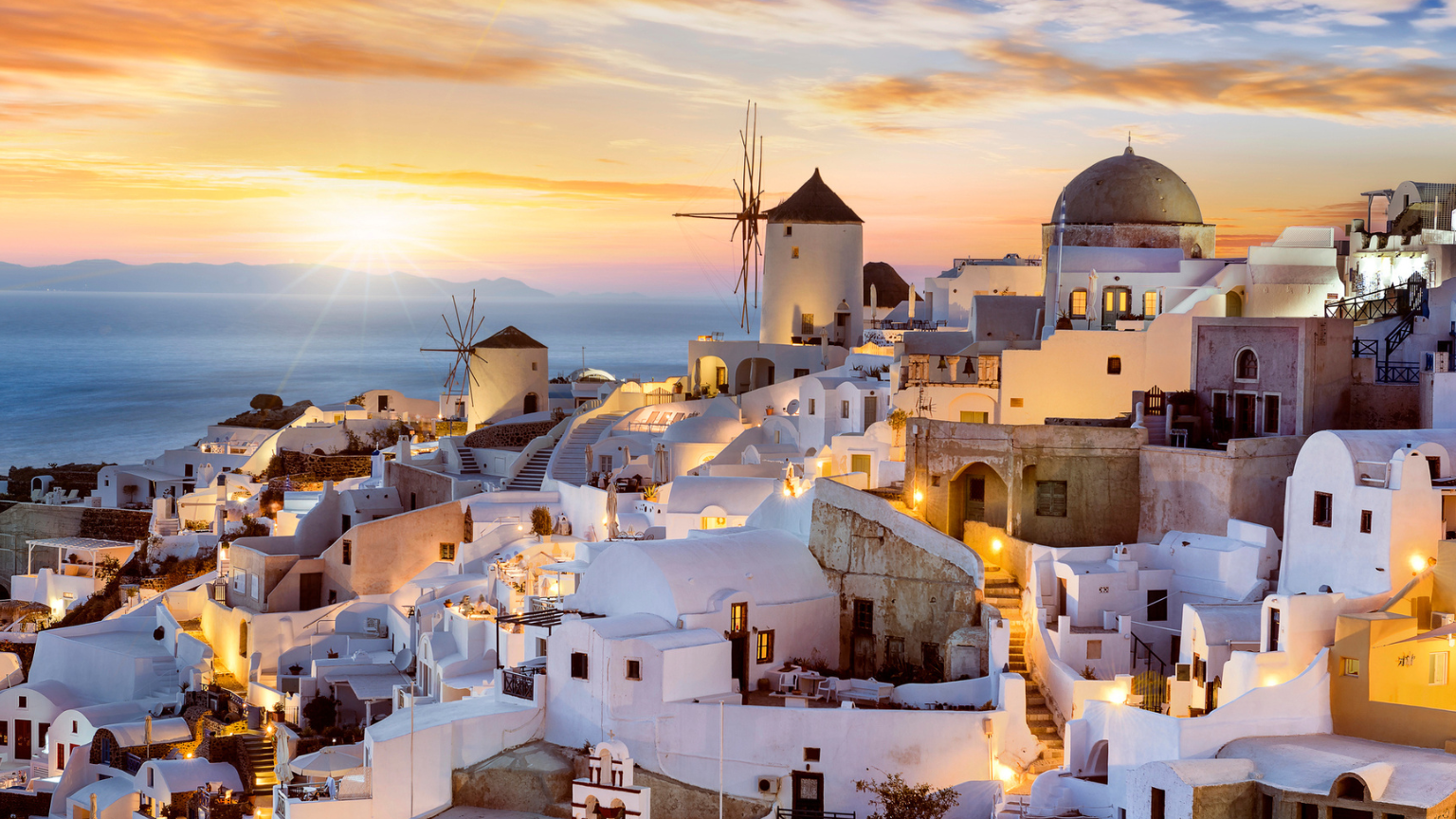
Santorini’s whitewashed houses and blue domes are so famous that they have become almost a cliché, and that is part of the problem. In high season, particularly when multiple cruise ships are in port, the caldera side villages of Fira and Oia can be packed shoulder to shoulder with visitors. Narrow lanes become one way streams of people who are all trying to reach the same sunset viewpoints, while local infrastructure struggles to cope. Many residents and Greek tourism experts have warned that the island’s water supply, waste systems, and roads are under serious strain during peak months. Meanwhile, prices for basic rooms and simple meals climb to levels that do not always match the experience you get. If you love the idea of white villages and dramatic cliffs, consider skipping Santorini in 2026 or choosing a quieter Cycladic island instead. You can still enjoy Greek island life without jostling for space at every viewpoint.
Machu Picchu, Peru, During The Busiest Months

Machu Picchu is one of the world’s most iconic archaeological sites, but its popularity has come at a cost. In the past few years, visitor caps, time slot systems, and occasional closures due to protests or rail disruptions have all made the logistics more complicated. Conservation experts worry about erosion, crowding on narrow paths, and damage to fragile stonework from the constant flow of feet. Travellers who arrive in the middle of high season sometimes report feeling rushed through the site, with limited time to pause and take in the atmosphere. Delays and sudden schedule changes can also leave people stranded in Aguas Calientes or the Sacred Valley when transport is disrupted. For 2026, many South America specialists suggest either planning a deep Sacred Valley trip that does not hinge on Machu Picchu itself or choosing alternative treks and ruins that see fewer visitors. Peru has far more to offer than a single postcard view, and spreading out your focus helps protect the place everyone wants to see.
Maya Bay And The Crowded Side Of Phi Phi, Thailand

Maya Bay on Phi Phi Leh became globally famous after a movie spotlight, and for years it was overwhelmed by speedboats and day tours. Authorities eventually closed the bay for an extended period to allow coral and marine life a chance to recover, and when it reopened, strict rules and time limits were introduced. Even with those measures, the broader Phi Phi area can still feel uncomfortably crowded at peak times, with litter, noise, and choppy water from constant boat traffic. Local conservationists and some Thailand based guides argue that the ecosystem remains fragile and that heavy visitor numbers can quickly undo hard won gains. If you go in 2026, you may find that access is restricted again or that your time on the beach is very short and heavily controlled. Many experts now recommend focusing on less famous islands and national parks that share similar limestone cliffs and turquoise water but have not been battered by the same level of fame. Your photos will still look amazing, and the sea life will thank you.
Bali’s Most Overtouristed Corners, Indonesia

Bali is not a destination to avoid entirely, but certain hot spots are showing clear signs of overtourism and local burnout. Areas like Canggu, Kuta, and parts of Seminyak have seen rapid growth in villas, cafés, and beach clubs, often outpacing improvements in roads, waste management, and water supply. Residents and long term expats complain about traffic that barely moves at rush hour, crowded beaches, and behaviour from a small minority of visitors that disrespects local customs. The island government has responded with new tourist taxes, campaigns about temple etiquette, and tighter rules for long stay visitors who treat Bali like a cheap playground rather than a place people actually live. Travel experts suggest that if you visit in 2026, you steer clear of the most saturated neighbourhoods and base yourself in quieter regions instead. Sidemen, parts of the north coast, or nearby islands like Nusa Penida and Lombok offer a more relaxed version of island life and spread your impact more evenly.
Antarctica On Large Cruise Ships

Antarctica has shifted from a once in a lifetime expedition trip to a more mainstream bucket list option, and that is exactly what worries many polar experts. The number of visitors arriving by ship has grown steadily, raising concerns about wildlife disturbance, pollution, and the risk of accidents in an incredibly remote environment. Large cruise vessels that cruise past the ice without landing passengers still contribute to emissions and can create crowding in sensitive waters. While strict guidelines exist for operators, scientists and conservation advocates caution that more is not always better in such a fragile place. For 2026, some responsible travel specialists recommend pressing pause on Antarctica unless you are joining a small, genuinely science led expedition that adheres to the strictest standards. Even then, they encourage would be visitors to ask hard questions about fuel use, waste management, and group size before booking. Sometimes the most sustainable choice is to admire the ice from documentaries and live streams while supporting organisations that work to protect it.
This article was written by Hunter and edited with AI Assistance