
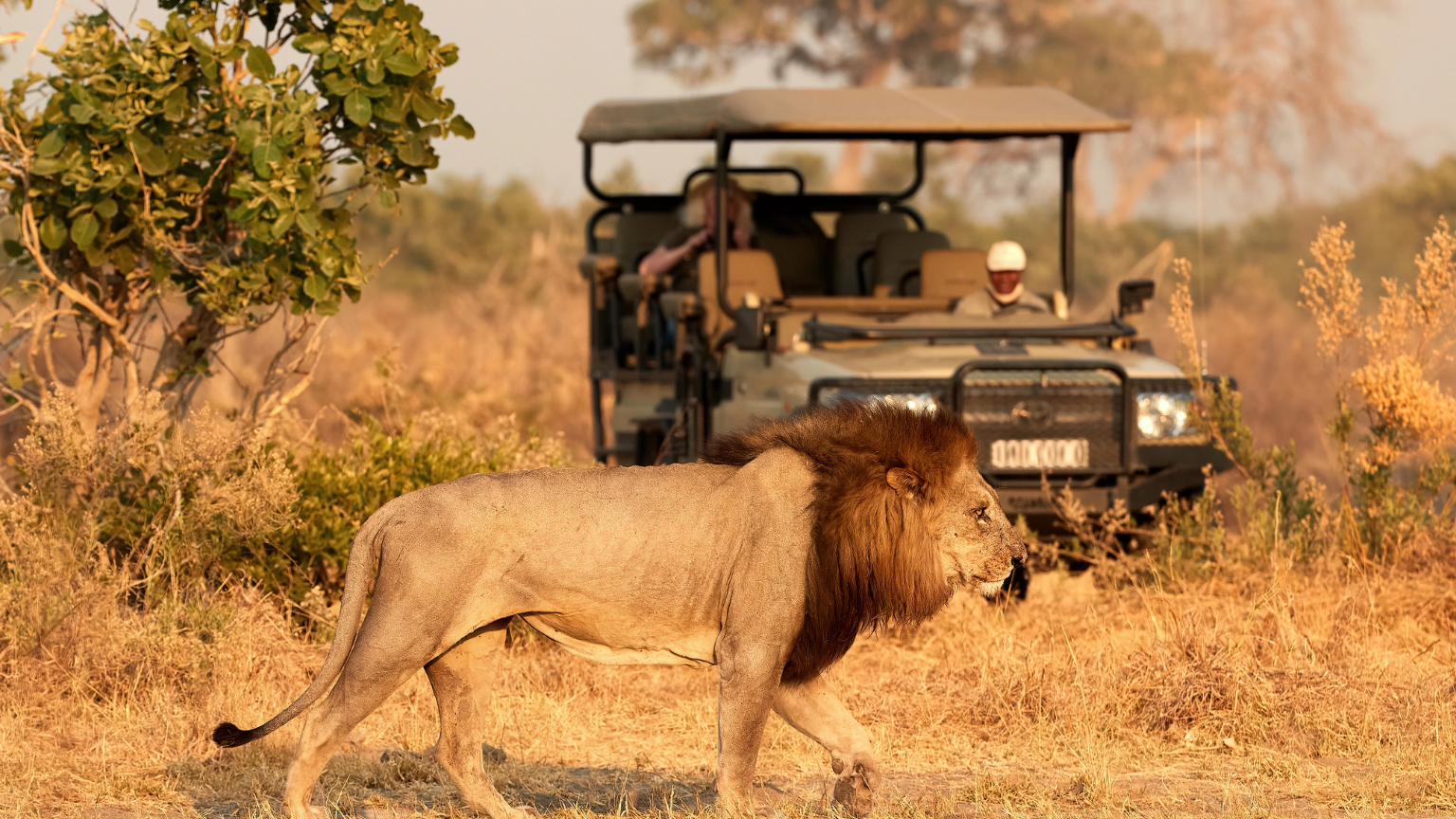

Kruger National Park offers one of the best self-drive safari experiences in Africa. With its vast size of over 19,600 square kilometers, it holds all the iconic wildlife including the Big Five: lions, elephants, rhinos, leopards, and buffalo. This 10-day itinerary gives enough time to explore different regions and habitats, increasing chances of diverse and rewarding wildlife sightings.
This guide shows how to structure a self-drive safari, including which gates to enter, where to stay, ideal routes, and daily plans. It also covers practical tips on costs, timing, and safety. This framework works well for first-timers and experienced travelers alike who want the freedom to explore at their own pace.
The Framework
The itinerary splits the park into southern, central, and northern zones. Days 1 to 3 focus on the southern region near Paul Kruger Gate, which offers well-maintained roads and reliable wildlife viewing. Days 4 to 7 venture into the central area, covering popular camps like Satara and Olifants, known for lions and large herds of elephants.
For days 8 to 10, the itinerary heads north towards Shingwedzi and Pafuri. These less-visited areas provide bird watching and sightings of rare species. Each day includes morning and late afternoon drives, the best times for animal activity. The itinerary reserves midday for rest at camps.
Travelers should book park entry and accommodation at least two months ahead. South Africa’s festive season introduces visitor quotas, so advance planning avoids disappointment. The six-hour drive from Johannesburg to Paul Kruger Gate signals the itinerary’s start. Rental vehicles with high clearance and fuel capacity suit the tarred and gravel roads.
Day-by-Day or Step-by-Step
Day 1: Arrival & Paul Kruger Gate
Arrive in Johannesburg early morning. Rent a 4x4 vehicle and drive six hours to Paul Kruger Gate, the southern entrance. Expect to pay R450 (about $28) per person as a daily park entry fee. After setting up at Lower Sabie Camp, take a late afternoon drive on the H4-1 tarred route. This region is known for frequent buffalo and hippo sightings.
Day 2: Southern Kruger – Lower Sabie to Skukuza
Start with a sunrise drive along the Sabie River. This area supports dense wildlife populations. Return to camp for lunch, then self-drive northward toward Skukuza Rest Camp. Evening drives along the H1-4 road may reveal lions and elephants. Skukuza offers fuel, shops, and restaurants.
Day 3: Skukuza to Satara Camp
Head north to Satara, about 65 kilometers from Skukuza. Along the H1-3 road, keep an eye out for lion prides and large elephant herds. Satara camp serves as a base for the central park. Camp fees typically run around R400 ($25) per night for basic accommodation; book early.
Day 4: Central Kruger – Satara & Surrounds
Spend the day exploring the S100 and S39 roads, well-known for big cats and dominant buffalo herds. Self-drive safaris mean flexibility; stop at waterholes to watch wildlife or take short hikes where allowed. Pack picnic lunch boxes; camps sell supplies.
Day 5: Satara to Olifants Camp
Drive north to Olifants Camp on the Olifants River, approximately 60 kilometers from Satara. The site boasts panoramic views perfect for spotting elephants and hippos from the vantage point. Afternoon walks with rangers are available but require prior booking.
Day 6: Exploring Olifants and Surroundings
This day focuses on quiet roads north of Olifants. The less trafficked areas increase chances to see leopards and rare birds. Plan two game drives: early morning and late afternoon when animals are most active.
Day 7: Olifants to Letaba
Proceed further north to Letaba Camp, about 75 kilometers away. Its elephant museum offers historical context on conservation. Use downtime to relax by the camp’s pool or enjoy sundowners overlooking the Letaba River.
Day 8: Letaba to Shingwedzi Camp
Leaving the central park behind, venture into the northern section with a drive to Shingwedzi Camp. The route takes roughly two to three hours. This less-visited region suits travelers seeking solitude and birdwatching. Overnight at basic but comfortable tents or chalets.
Day 9: Northern Safari – Pafuri & Surroundings
The Pafuri area, accessible via Shingwedzi, is ideal for rare bird species and unique fauna. Morning and evening drives offer great hours for wildlife. Pack ample water and fuel, as services are limited here.
Day 10: Return & Exit via Punda Maria Gate
Drive westward to exit through Punda Maria Gate, about 70 kilometers from Shingwedzi. The gate has facilities for refueling and last-minute shopping. From here, begin the six-hour drive back to Johannesburg or continue a South Africa adventure.
Pro Tips and Logistics
Kruger National Park authorities strictly enforce entry quotas for day visits from December through January. Booking permits and camps well before arrival is essential. Expect entry costs of about R450 per adult per day and roughly R400 per night for basic rest camp accommodation. Some lodges cost more but offer luxurious amenities.
The park’s roads are mostly gravel but well-maintained. Choose a rental vehicle with high ground clearance and full insurance. Fuel stations inside the park operate from 7 AM to 7 PM, so plan your drives accordingly. Fill up whenever possible.
Avoid driving after sunset to reduce wildlife collision risk. Self-drive hours typically run from six hours before sunrise to one hour after sunset. Also, keep noise low and windows up near animals, especially predators. Park rangers provide emergency contacts and safety briefings at gates and camps.
Pack binoculars, a camera with a zoom lens, and weather-appropriate clothing. The South African summer, from November to May, brings occasional rain but also calving season for many species. Temperatures can exceed 30°C (86°F), so hydration is crucial.
Lastly, consider travel insurance that covers wildlife activities. Most camps accept credit cards but carry some cash for small purchases. Cellular coverage varies; offline maps and printed directions help navigation.
This article was written by Will and edited with AI assistance.