

A quick reality check before we dive in. Every airline now sells multiple fare types, often with very different rules. The trick is knowing where the pain points hide, and which carriers still give you breathing room when life happens. Use this list to dodge gotchas and to book smarter the first time.
1) United Airlines Basic Economy

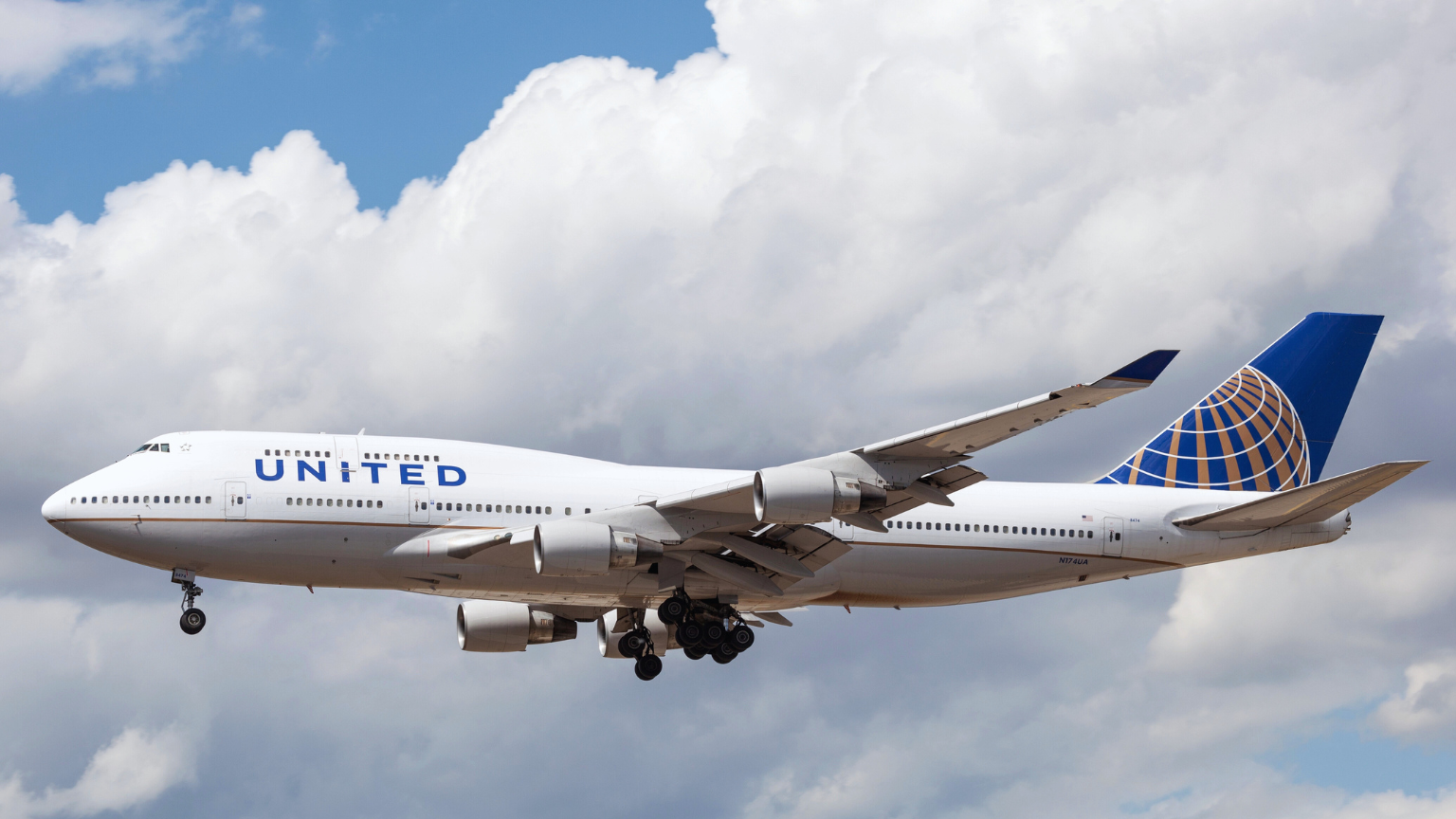
United’s Basic Economy is cheap for a reason. On most domestic itineraries you only get a small personal item under the seat and no full size carry on in the overhead unless you hold elite status or a qualifying United card. Seats are auto assigned unless you pay and you board last, which makes overhead space even scarcer. Changes are not allowed on Basic Economy, so if your plans shift you are buying a new ticket. If you want flexibility on United, book Main Cabin where same day standby is free and standard change fees are gone.
2) Delta Air Lines Main Basic

Delta rebranded but the restrictions stayed. Main Basic does not allow changes and most trips only get a travel credit with a cancellation fee deducted, rather than cash back. You still get a carry on and personal item, yet same day change and standby perks are typically off limits to this fare. For real flexibility on Delta you need Main Cabin or higher, where change fees have been removed on most U.S. originating trips.
3) Air Canada Basic

Air Canada’s Basic fare on many North American routes now charges for larger carry on bags. That means a roll aboard in the overhead can cost extra while a small item under the seat is free. You will usually pay to pick seats in advance and Basic remains the least flexible category for changes. If you want fewer surprises, look at Standard or Comfort where the included baggage and change rules are much friendlier.
4) Ryanair

Ryanair’s rock bottom fares come with rules that bite if you slip. Miss online check in and you pay an airport check in fee. Need to fix the name on a ticket and the charge can be eye watering compared with the fare you paid. The airline has tweaked some admin fees this year, but baggage sizing and timing rules are still enforced with gusto, so measure bags and get that mobile boarding pass ready.
5) Wizz Air

On Wizz Air you only get one small item under the seat for free. If you want to bring a wheeled bag for the overhead you must buy the priority add on, and those fees can swing widely by route and date. Seat selection is almost always a paid extra on the lowest fare. Wizz can be a great value within Central and Eastern Europe, but only if you travel very light and budget for the extras you cannot live without.
6) easyJet

easyJet now includes just one small under seat bag for most tickets. Overhead sized cabin bags require buying a special seat or a cabin bag option in advance, and gate fees for oversized pieces are not gentle. Seat selection is priced by row and demand. The airline is totally workable if you know the rules, but casual packers often get caught out.
7) Frontier Airlines

Frontier’s cheapest fares bring change fees that jump as your departure nears, plus à la carte charges for almost everything from seat assignments to the bigger personal item you probably want to carry. Name changes and certain service transactions carry their own fees that add up quickly. Frontier sells bundles that remove change fees and include a carry on, but you need to choose the right bundle at purchase or the savings vanish. If you buy the rock bottom fare, budget for the add ons.
8) Spirit Airlines

Spirit briefly ditched change and cancel fees on its cheapest option, then brought them back for new bookings on that Go fare. The low base price still excludes a full size carry on unless you pay and most seats cost extra, so the total can climb fast. Upgraded fare options do restore fee free changes, but that only helps if you pick them upfront. Spirit can be fine value on short nonstop routes when you know exactly what you need.
9) Allegiant Air

Allegiant charges if an airport agent prints your boarding pass, so checking in online or using the app is the smarter move. Add in separate fees for seat selection, carry on, and even some payment methods, and the out the door total rarely matches the teaser fare. Schedules are thin and day specific which reduces your options if something goes wrong. Plan to travel with a mobile boarding pass and pad your budget for the extras.
10) British Airways Seat Selection Rules

With BA, paying to pick seats in economy is common unless you have status or certain fare types. Families with very young children can choose seats for free in many cases and children under a set age are seated with at least one adult, but if you want to guarantee the whole group together you often pay. Fees can even extend to some premium cabins for specific locations like exit rows and bulkheads. If seat choice matters, factor that cost in at booking or choose a fare that includes it.
11) Alaska Airlines

Alaska remains one of the most traveler friendly airlines for changes. There are no change fees on most paid fares and you simply pay any fare difference, which keeps your options open. Same day confirmed changes are available during check in for a flat fee and they do not charge the fare difference, which is rare and valuable when a later or earlier flight suits you better. Saver basic fares are restrictive, but every other Alaska fare type is a safe choice when you want flexibility.
12) JetBlue

JetBlue’s standard fares allow you to change or cancel without a penalty and only pay any fare difference, and Mosaic elites get generous same day flexibility. Blue Basic used to block changes entirely, and for tickets issued in 2025 the airline now permits changes or cancellations for a set fee on many routes, so always read the fine print at checkout. A nice upgrade in 2024 means even Blue Basic includes a carry on in the overhead which makes packing easier. If you value options without a premium cabin price, Core fares above Blue Basic are a sweet spot.
13) Southwest Airlines

Southwest keeps change fees at zero, so you can move trips around and only pay any fare difference. Flight credits from older bookings do not expire, and newer credits created from bookings on or after late May 2025 expire after eighteen months which is still generous compared with many competitors. Same day changes are easy online and you can cancel up to ten minutes before departure for a reusable credit. Bag fees now depend on the fare you buy, but the flexibility story stays strong if your dates might move.
14) Hawaiian Airlines

Book Main Cabin or higher and you will not pay a change fee on Hawaiian, which is helpful for island hop plans that shift. There is a firm no show policy, so you must modify before departure, but as long as you do that your value is protected as a credit and you pay only any fare difference. Main Cabin Basic is the one to skip if you want options since it cannot be changed after purchase. For travelers building multi island itineraries, that mix of flexibility and clarity is worth a lot.
15) United Airlines Main Cabin

Once you step up from Basic Economy, United becomes much easier to live with. Standard economy and premium cabins have no change fees on most routes and you can join the same day standby list for free, which is perfect when you finish early and want an earlier flight. Same day confirmed changes are also available on many itineraries for a flat fee. If you fly United often, booking above Basic Economy is the easiest win for flexibility.
16) American Airlines Main Cabin

American eliminated standard change fees on most paid fares and made domestic same day standby free for everyone, which opens up a lot of useful last minute moves. Same day confirmed changes exist for a simple fee when seats are open on your route. Basic Economy remains rigid with no changes after ticketing, so it is rarely worth it if your schedule is fragile. For most trips, a Main Cabin fare is the smarter baseline with AA.
17) Delta Air Lines Main Cabin

Delta’s Main Cabin fares let you change plans without a penalty on many U.S. originating trips, which keeps you in control while only paying any fare difference. Same day confirmed changes are widely available for a modest fee and standby can be free on select domestic routes. The new fare names can be confusing, but the simple rule holds true that Main Basic is restrictive and Main Cabin and above are flexible. If you want the Delta experience without handcuffs, avoid the very cheapest tier.
18) WestJet Flex Fares

WestJet’s Flex products are built for flexibility and allow changes or cancellations with no fee, only a fare difference if the new flight costs more. You can modify online up to two hours before departure which is practical for road traffic or a meeting that runs long. Lower tiers like UltraBasic are much stricter, so pick Flex if your timing is uncertain. For Canada and cross border trips, it is a very workable middle ground.
19) KLM Flex and Standard

KLM’s Flex economy tickets allow changes without a fee and only a fare difference if the new flight is pricier. Standard tickets can still be changed, typically for a published fee that varies by route length, which is better than being locked in. Light tickets are the least flexible and can block changes entirely on many routes. If you are mixing rail and air in Europe and need wiggle room, Flex is the safer buy.
20) Virgin Atlantic Flex Fares

Virgin’s Flex option lets you make unlimited date changes within the booking horizon, which is exactly what long haul travelers need when plans are in flux. In Premium and Upper Class you can choose seats for free from the start which removes one of the most annoying upcharges in the industry. Economy Light is tighter, but Economy Classic often includes seat selection and better change terms, so it is worth the small jump in price. When you want premium service plus room to maneuver, booking Virgin with Flex gives you both.
This article was written by Hunter and edited with AI Assistance