
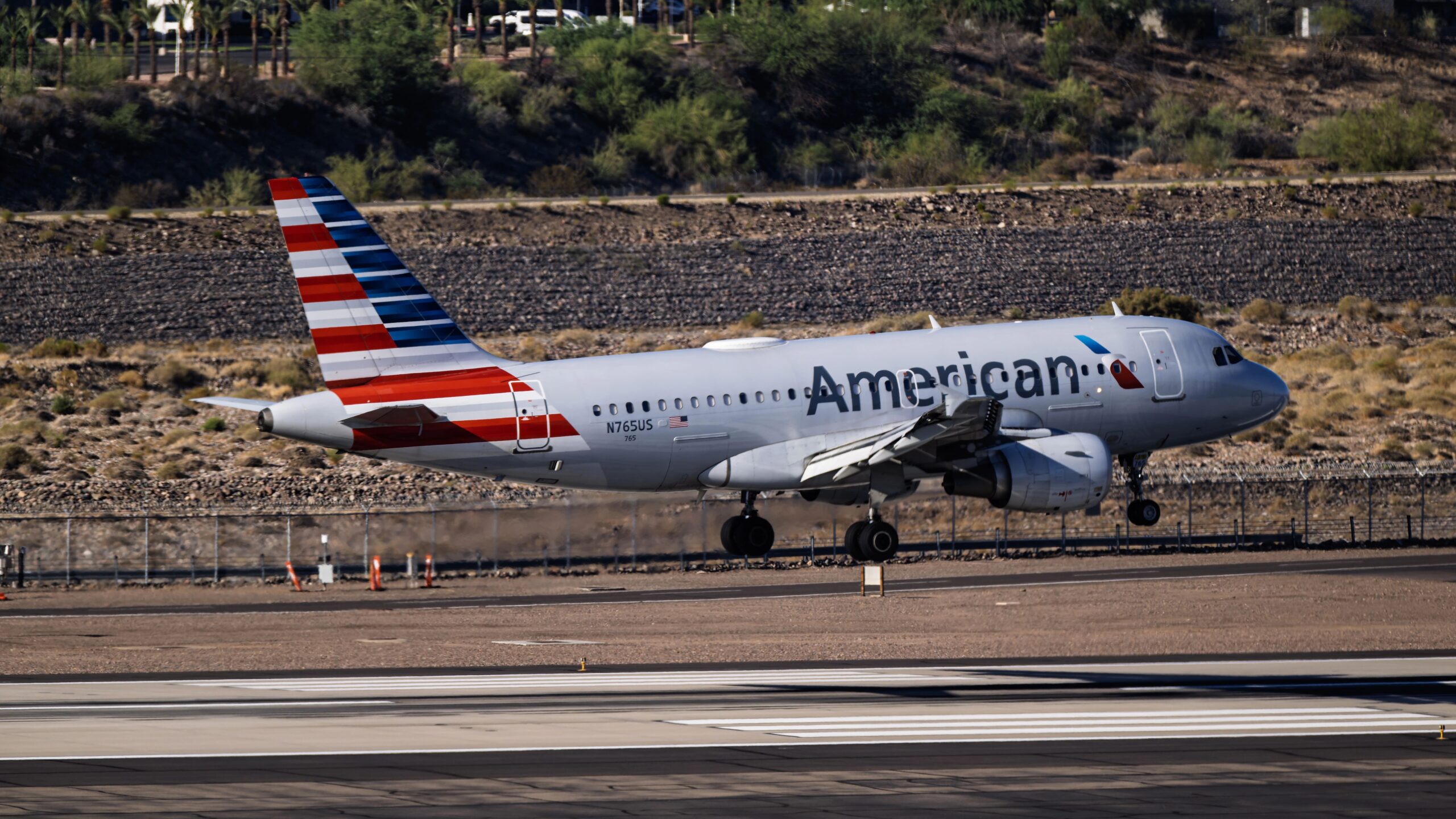

On August 29, 2025, severe thunderstorms in North Texas caused widespread travel disruptions at Dallas-Fort Worth International Airport (DFW) and Dallas Love Field, leaving thousands of passengers stranded. American Airlines bore the brunt of the impact, canceling 142 flights (10% of its schedule) and delaying 112 others (3% of its schedule). The Federal Aviation Administration (FAA) imposed ground stops at both airports, exacerbating the chaos for travelers heading to destinations like Fort Lauderdale, Newark, Phoenix, and beyond. Although the ground stops were lifted by 8:30 p.m., ongoing delays and limited rebooking options continued to challenge passengers and airport staff well into the evening.
Scope of the Disruptions
The storms led to significant operational challenges at both airports. At DFW, 707 flights were delayed, and 61 were canceled, while Dallas Love Field reported 116 delays but no cancellations. American Airlines faced the most significant impact, with key routes affected, including:
- St. Louis (KSTL)
- Detroit Metro Wayne Co (KDTW)
- Ontario (KONT)
- LaGuardia (KLGA)
- Nashville Intl (KBNA)
- San Diego Intl (KSAN)
- Fort Lauderdale Intl (KFLL)
- Chicago O’Hare Intl (KORD)
- Newark Liberty Intl (KEWR)
- Richmond Intl (KRIC)
At Dallas Love Field, Southwest Airlines, the primary carrier, reported 11 delays on routes to Portland (KPDX), St. Louis (KSTL), and Chicago O’Hare (KORD). Other airlines, including Envoy Air, SkyWest, JetBlue, Delta, and United, also experienced minor disruptions. The cancellations and delays affected both domestic and international travelers, with some missing critical connections to cities like Los Angeles, Paris, and Mexico City.
Impact on Travelers
The disruptions left thousands of passengers stranded in crowded terminals, facing long wait times and uncertainty. Tourists planning vacations to popular destinations like Fort Lauderdale and San Diego, as well as business travelers heading to New York or Chicago, were among the hardest hit. Many passengers struggled to rebook flights due to limited seat availability, and some were forced to spend the night in the airport as nearby hotels quickly reached capacity. The lack of timely updates from airlines added to the frustration, with gate agents and flight attendants overwhelmed by the surge in inquiries.
The FAA’s ground stops, initially projected to have a 30-60% chance of lasting all day, compounded the challenges. Even after the stops were lifted, the backlog of delayed and canceled flights meant that many travelers faced hours of waiting or the need to rebook for the following day. International passengers, in particular, experienced ripple effects, with missed connections disrupting carefully planned itineraries.
Breakdown of Disruptions
Here’s a summary of the impact at both airports:
- Total Delays:
- Dallas-Fort Worth International Airport: 707 delays
- Dallas Love Field Airport: 116 delays
- Total Cancellations:
- Dallas-Fort Worth International Airport: 61 cancellations
- Dallas Love Field Airport: 0 cancellations
- American Airlines Impact:
- 142 canceled flights (10% of scheduled flights)
- 112 delayed flights (3% of scheduled flights)
Efforts to Address the Crisis
Both DFW and Dallas Love Field airports mobilized teams to assist passengers, while American Airlines offered rebooking options to those affected. However, the high volume of cancellations and limited flight availability meant that many travelers faced significant delays in resuming their journeys. Some passengers expressed frustration over the lack of clear communication from the airline, with updates often arriving too late to help with planning.
Airlines are working to clear the backlog, but the scale of the disruptions suggests that normal operations may take days to fully resume. In the meantime, passengers are advised to stay patient and flexible as airlines prioritize rebooking and accommodations for those stranded overnight.
Tips for Affected Travelers
To navigate flight disruptions caused by severe weather, passengers can take the following steps:
- Monitor Flight Status: Check your flight’s status on the airline’s website or app before heading to the airport to stay informed about delays or cancellations.
- Rebook Promptly: If your flight is canceled, contact the airline quickly to secure a new booking, as available seats fill up fast during disruptions.
- Consider Travel Insurance: For expensive or international trips, travel insurance can provide coverage for unexpected cancellations or delays.
- Prepare for Delays: Pack snacks, chargers, and entertainment to stay comfortable during long waits in the airport.
- Stay in Contact with the Airline: Regularly communicate with airline staff for updates, as weather-related changes can happen rapidly.
Looking Ahead
As the storms subside and normal operations resume, the impact of the cancellations and delays will linger for travelers. American Airlines and other carriers are working to accommodate affected passengers, but the disruptions highlight the challenges of air travel during extreme weather. With over 140 flights canceled and hundreds delayed, the ripple effects may continue to affect schedules for several days.
Travelers passing through North Texas should remain vigilant, checking flight statuses frequently and preparing for potential delays. The situation serves as a reminder of the unpredictability of air travel during severe weather and the importance of planning ahead to minimize disruptions.
This article was written by Will & edited with AI assistance.